Find your Master's degree in Europe
Filter by country, field of study, and language of instruction to shortlist graduate programs that actually fit your plan — not just the well-known names.
Explore European cities
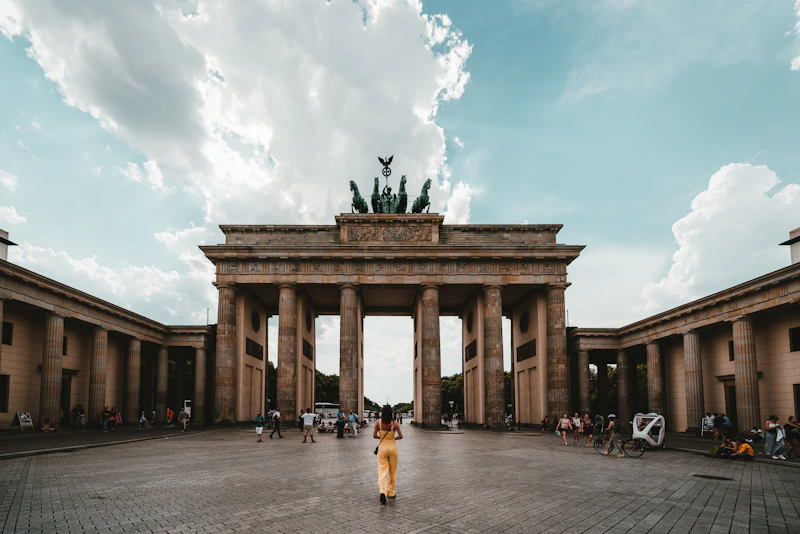



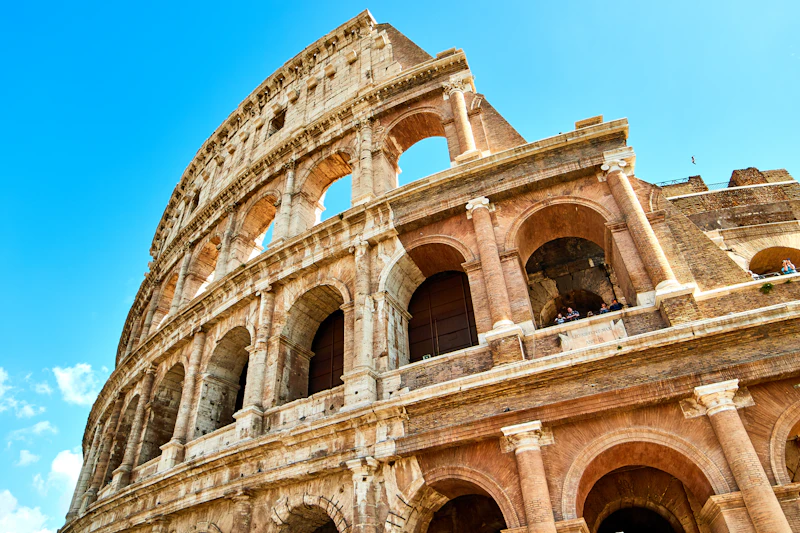



Browse by field of study









Universities in the catalogue
Programmes to explore now
How it works
Explore
Search by destination, subject, language, and tuition.
Compare
Shortlist your favourites. Compare tuition, duration, language, and entry requirements side by side.
Decide
Read student reviews, check visa info, and explore cities. Pick the programmes that fit you best.
Apply
Go directly to the university's application page. We link you straight — no middleman, no commission.


اتصل بنا / أبلغ عن خطأ
Search results
Gesellschaft und Kulturen der Moderne (M.A.)
Justus-Liebig-Universität Gießen · Gießen, Germany
Program overview
Überblick Der Master-Studiengang Gesellschaft und Kulturen der Moderne versteht sich als eine forschungsorientierte Antwort auf soziologische Diagnosen aktueller gesellschaftlicher Herausforderungen. Aktuelle Gesellschaftsdiagnosen besagen, dass die Konflikte gegenwärtiger Gesellschaften immer häufiger in Termini des Kulturellen (Religion, Glaube, Lebensstil, Milieu, aber auch unterschiedliche Wissenschaftskulturen) zum Ausdruck kommen. Andererseits wird die Kategorie des Kulturellen den Akteuren reflexiv zugänglich. Der Kulturbegriff ist deshalb unter dem Aspekt gesellschaftlicher Selbstorganisation nicht unproblematisch, weil Kultur gleichzeitig als normative Instanz mit eigener Geltungslogik, als Konfliktgegenstand und als Ressource erscheint. Die entsprechende Dynamik und reflexive Bedeutung des Kulturellen bei der Artikulation gesellschaftlicher Problemlagen bildet das Zentrum des Studienganges. Im Mittelpunkt Ihres Studiums steht der Erwerb soziologischen Reflexionswissens und von Artikulationskompetenz in Bezug auf die kulturelle Dimension gesellschaftlicher Herausforderungen. Sie erwerben diese Kompetenzen durch aktivierende Lehr- und Lernformen sowie durch die Kooperation mit weiterem Instituten der Justus-Liebig-Universität im Rahmen von Kooperationsmodulen. Diese Kooperationsmodule ermöglichen Ihnen eine Perspektivierung auf gesellschaftliche Konfliktfelder und Problematiken sowohl durch soziologische Analytik als auch durch das entsprechende Fachwissen aus den kooperierenden Fächern. Den Studiengang zeichnen seine Theorieorientierung und seine soziologisch-transdisziplinäre Ausrichtung aus (vgl. Kooperationsmodule). Im Kernbereich des Studiums geht es um die Vermittlung unterschiedlicher Konzepte des Verhältnisses zwischen Kultur und Gesellschaft, um unterschiedliche Perspektivierungen des Kulturbegriffs und um seine Verschiebung ins Reflexive in Gegenwartsgesellschaften. In diesem Zusammenhang sind besonders die Entwicklung soziologischer Kulturkonzepte in der zweiten Hälfte des 20. Jahrhunderts in den Blick zu nehmen und neuere Diskussionen einzubeziehen, bspw.: Lebensweltanalyse, Konstruktivismus, linguistic turn, practice/performative turn, pictorial turn, Dekonstruktion, Theorie der Praxis, science and technology studies. Methodische und methodologische Fragen werden in enger Anknüpfung an empirische Fragestellungen behandelt. Der Master-Studiengang Gesellschaft und Kulturen der Moderne versteht sich als eine forschungsorientierte Antwort auf soziologische Diagnosen aktueller gesellschaftlicher Herausforderungen. Aktuelle Gesellschaftsdiagnosen besagen, dass die Konflikte gegenwärtiger Gesellschaften immer häufiger in Termini des Kulturellen (Religion, Glaube, Lebensstil, Milieu, aber auch unterschiedliche Wissenschaftskulturen) zum Ausdruck kommen. Andererseits wird die Kategorie des Kulturellen den Akteuren reflexiv zugänglich. Der Kulturbegriff ist deshalb unter dem Aspekt gesellschaftlicher Selbstorganisation nicht unproblematisch, weil Kultur gleichzeitig
Key facts
- Degree
- M.A.
- Duration
- 24 months
- ECTS credits
- 120
- Language
- English
- Application deadline (EU/EEA)
- Phase 1: Not officially published for WiSe 2027/28. Most recent published winter pattern (WiSe 2026/27): 01 September 2026 for German-bachelor applicants (extended to 20 September 2026); WiSe 2027/28 expected to follow this pattern
- Application deadline (non-EU)
- Phase 1: Not officially published for WiSe 2027/28. Most recent published winter pattern (WiSe 2026/27): 15 August 2026 for applicants with a foreign bachelor's degree (via uni-assist)
- Starts
- 1 October 2027 (Winter Semester 2027/28) — winter-semester intake only
Required documents
Bachelor certificate with final grade (or provisional certificate/transcript with ≥80% of credit points if degree not yet complete), transcript of records, proof of ≥30 CP sociology/social-science content if applicable; foreign-bachelor applicants via uni-assist additionally: school-leaving certificate with sworn translation, language certificates, passport copy, uni-assist fee
More programs at Justus-Liebig-Universität Gießen
Help & information
Clear answers about programme data, costs, and how to verify details before you apply.
Data accuracy & disclaimer
تنبيه: جميع المعلومات الواردة في هذا الموقع هي لأغراض إرشادية فقط، وقد تخضع للتغيير دون إشعار مسبق. يرجى مراجعة الصفحة الرسمية للبرنامج أو الجامعة قبل اتخاذ أي قرار. نحن لا نضمن دقة البيانات بنسبة 100%.
الأسئلة الشائعة
لا. البيانات مستخرجة من مصادر رسمية لكنها بتتغيّر كل موسم قبول، وبعض الأرقام لسه محتاجة مراجعة يدوية (وموضح عليها علامة "محتاج مراجعة"). دايمًا تأكد من الصفحة الرسمية للبرنامج قبل ما تاخد أي قرار.
لأ، الأرقام المعروضة (EU / Non-EU) هي رسوم الدراسة بس، مش شاملة السكن أو المعيشة أو التأمين الصحي. في صفحة كل برنامج فيه رابط لموقع Numbeo لتقدير تكلفة المعيشة في المدينة.
افتح صفحة البرنامج، دوس على "Visit program page" عشان تروح لموقع الجامعة الرسمي وتقدّم من هناك مباشرة، أو دوس "Talk to an advisor" لو عايز مساعدة قبل ما تقدّم.
الرقم المعروض هو رسوم الدراسة السنوية بس لغير مواطني الاتحاد الأوروبي، ومش شامل تأشيرة الدراسة أو السكن أو المعيشة أو التأمين الصحي — دي مصاريف منفصلة لازم تحسبها لوحدها.
مش كل برنامج فيه منحة، وده بيختلف من جامعة لتانية. أفضل مصدر موثوق للمنح المتاحة هو صفحة القبول الرسمية بتاعة الجامعة نفسها أو مكتب العلاقات الدولية فيها.
Image and university mark credits
Photographs and university marks remain the property of their respective creators and institutions. Their use follows the original source terms; removing a background does not remove those rights. Report a concern by emailing [email protected].
Your next step, made clearer.
Tell us what you want. Discover programmes that fit your plan.