Find your Master's degree in Europe
Filter by country, field of study, and language of instruction to shortlist graduate programs that actually fit your plan — not just the well-known names.
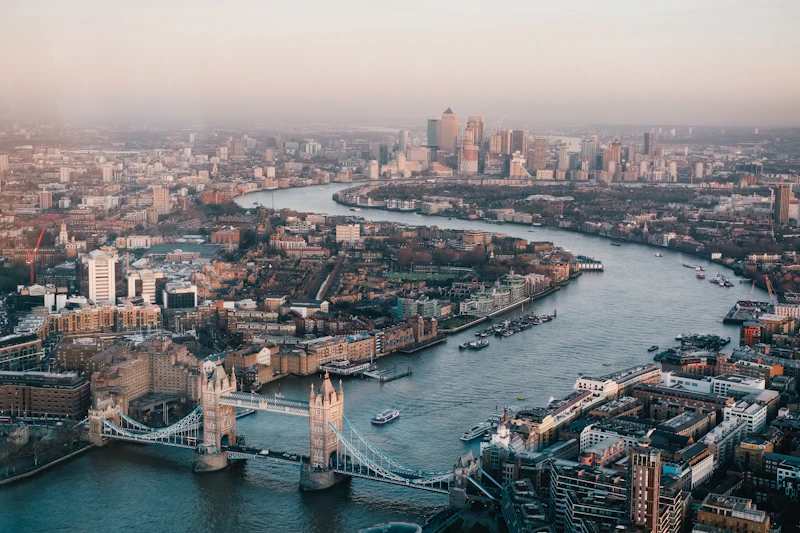
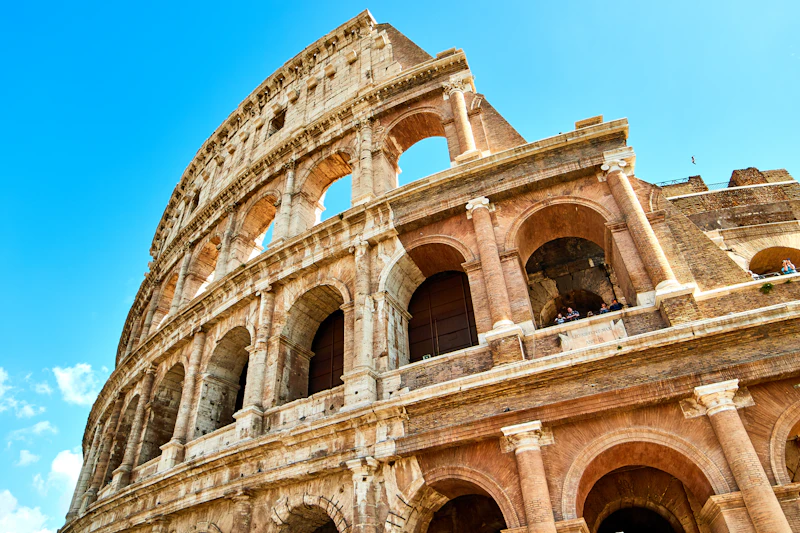
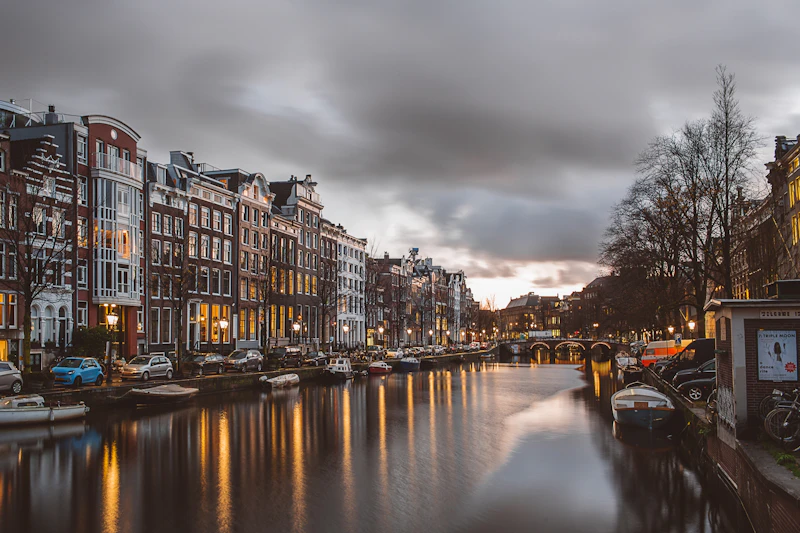
Explore European cities





Browse by field of study




Universities in the catalogue
Programmes to explore now
How it works
Explore
Search by destination, subject, language, and tuition.
Compare
Shortlist your favourites. Compare tuition, duration, language, and entry requirements side by side.
Decide
Read student reviews, check visa info, and explore cities. Pick the programmes that fit you best.
Apply
Go directly to the university's application page. We link you straight — no middleman, no commission.


اتصل بنا / أبلغ عن خطأ
Search results
Molecular Bioengineering
Technische Universität Dresden · Dresden, Germany
Program overview
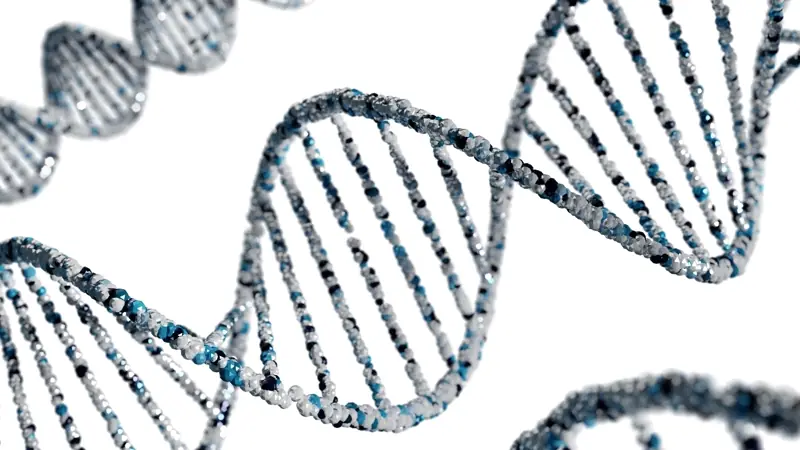
Let's go to the nanoscale! This is the level of spatial resolution where technology and modern biology meet in the 21st century. Proteins, the powerful molecules in our cells and all forms of life on earth, are nanomachines encoded in a unique genetic language. They function on a much smaller scale and with greater efficiency than is currently possible with available microtechnologies. Become a molecular bioengineer and learn how to construct cellular machines. The Molecular Bioengineering degree program unites a novel combination of biology, biochemistry, biophysics, materials science, medicine, bioinformatics and nanotechnology. Join us and learn the fundamentals of biology, biomedicine and bionanotechnology. Combine life sciences with technology. Explore biology to understand how nature constructs its powerful molecules. Use nanotechnology and computational biology to design nanomachines, tiny molecular factories and biomaterials for medical and industrial applications. Molecular Bioengineering is a comprehensive Master's degree program. Over four semesters, you will receive a sound education and gain coveted laboratory experience. The first three semesters are dedicated to building foundational knowledge in a variety of courses that fall into two categories: — The biomedical modules include genomics and stem cell engineering, proteomics, and chemistry with biomolecules. — The technological modules include bioinformatics, bionanotechnology and biomaterials, biophysics and cellular machines. From the second semester, you will have the opportunity to continue your education in your areas of interest by choosing one of two elective subjects: — Applications in Biomedicine (materials in biomedicine, biomedical tissue engineering) — Applications in Technology (microsystems engineering, applied bionanotechnology) During the third semester, you will be able to gain valuable practical experience in one of the laboratories at the CMCB , TU Dresden or a partner institution. The course ends in the fourth semester, during which you will complete your Master's thesis. You will have the flexibility to choose from a variety of research topics and work in one of the research groups at B CUBE , BIOTEC , or CRTD . You may also join groups at other TU Dresden departments or partner institutions.
Key facts
- Degree
- Master of Science
- Duration
- 24 months
- ECTS credits
- 120
- Language
- English
- Application deadline (EU/EEA)
- 2026-12-01
- Application deadline (non-EU)
- 2027-04-01
- Starts
- ( Höhere Fachsemester )
Required documents
Bewerbungsantrag (auto-generated at the end of the online application); Tabular CV; Copy of passport (page with name and photo) or ID card; Scans of originals or certified copies + certified translations (German or English) of: secondary school leaving certificate with subject/grade overview; University entrance examination certificate (if applicable); Transcripts of all study years (if studies started); Degree certificate and transcripts (if degree completed); Proof of German language skills (except English-taught Master's); For Master's with pending first degree: certificate of expected graduation + '80% certificate' with current average grade; Original APS certificate (applicants with Chinese, Vietnamese or Indian educational certificates); Programme-specific documents (e.g. aptitude assessment application, motivation letter, language proofs, internship proof)
More programs at Technische Universität Dresden
Help & information
Clear answers about programme data, costs, and how to verify details before you apply.
Data accuracy & disclaimer
تنبيه: جميع المعلومات الواردة في هذا الموقع هي لأغراض إرشادية فقط، وقد تخضع للتغيير دون إشعار مسبق. يرجى مراجعة الصفحة الرسمية للبرنامج أو الجامعة قبل اتخاذ أي قرار. نحن لا نضمن دقة البيانات بنسبة 100%.
الأسئلة الشائعة
لا. البيانات مستخرجة من مصادر رسمية لكنها بتتغيّر كل موسم قبول، وبعض الأرقام لسه محتاجة مراجعة يدوية (وموضح عليها علامة "محتاج مراجعة"). دايمًا تأكد من الصفحة الرسمية للبرنامج قبل ما تاخد أي قرار.
لأ، الأرقام المعروضة (EU / Non-EU) هي رسوم الدراسة بس، مش شاملة السكن أو المعيشة أو التأمين الصحي. في صفحة كل برنامج فيه رابط لموقع Numbeo لتقدير تكلفة المعيشة في المدينة.
افتح صفحة البرنامج، دوس على "Visit program page" عشان تروح لموقع الجامعة الرسمي وتقدّم من هناك مباشرة، أو دوس "Talk to an advisor" لو عايز مساعدة قبل ما تقدّم.
الرقم المعروض هو رسوم الدراسة السنوية بس لغير مواطني الاتحاد الأوروبي، ومش شامل تأشيرة الدراسة أو السكن أو المعيشة أو التأمين الصحي — دي مصاريف منفصلة لازم تحسبها لوحدها.
مش كل برنامج فيه منحة، وده بيختلف من جامعة لتانية. أفضل مصدر موثوق للمنح المتاحة هو صفحة القبول الرسمية بتاعة الجامعة نفسها أو مكتب العلاقات الدولية فيها.
Image and university mark credits
Photographs and university marks remain the property of their respective creators and institutions. Their use follows the original source terms; removing a background does not remove those rights. Report a concern by emailing [email protected].
Your next step, made clearer.
Tell us what you want. Discover programmes that fit your plan.